




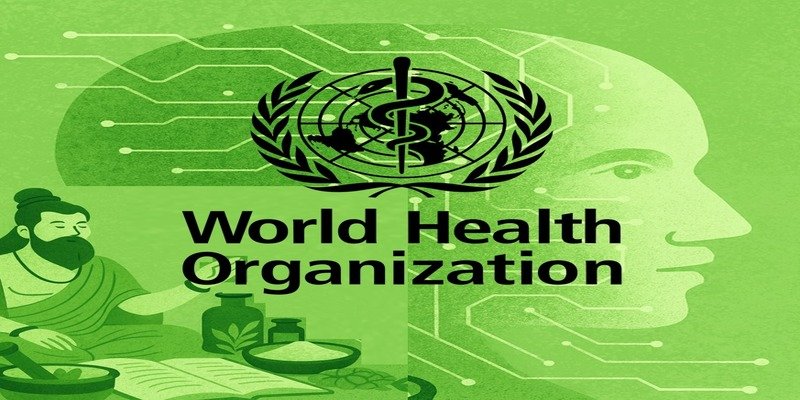
The World Health Organization (WHO) has commended India for spearheading the use of Artificial Intelligence (AI) to modernize and globalize traditional medicine systems. In its technical brief “Mapping the Application of Artificial Intelligence in Traditional Medicine”, WHO acknowledges India’s leadership in integrating AI into AYUSH systems, digitizing traditional knowledge, and providing a global roadmap for AI adoption in Ayurveda, Yoga, Unani, Siddha, and Homeopathy.

The recognition follows India’s proposal to WHO and builds on its creation of the Traditional Knowledge Digital Library (TKDL) — explicitly cited in the report as a pioneering initiative that combines AI with traditional medicine.
TKDL, the world’s first comprehensive digital archive of ancient medical knowledge, serves as a foundation for AI-driven applications that make centuries-old practices more accessible, standardized, and scientifically validated.
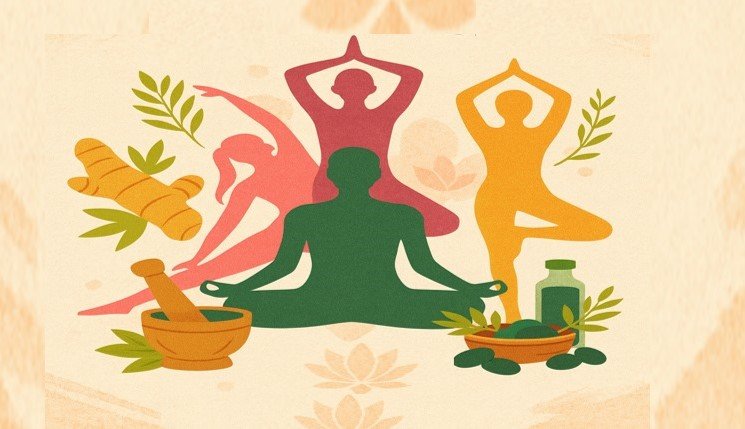 WHO highlights India’s development of digital platforms such as the AYUSH Grid, SAHI portal, NAMASTE portal, and the AYUSH Research Portal. These tools are transforming traditional medicine into a more personalized and data-driven healthcare system. One standout innovation is “Ayurgenomics”, which merges Ayurveda’s body-type theory with modern genetics to predict disease risk and guide preventive health strategies. AI is also being applied to enhance traditional diagnostic methods like pulse and tongue analysis, as well as to map the molecular mechanisms of herbal medicines.
Union Minister Prataprao Jadhav stated that this recognition reflects India’s ability to combine “ancient healing wisdom with new technology,” ensuring traditional systems remain relevant in modern healthcare. Ministry of AYUSH Secretary emphasized that the AYUSH grid is central to building a robust digital health ecosystem for traditional medicine.
The report further highlights India’s commitment to training Ayush practitioners in digital skills, expanding online consultations, and integrating traditional systems with modern healthcare services. These steps aim to enhance clinical credibility, increase patient access, and align traditional practices with scientific evidence.
The Ministry of Ayush welcomed the WHO brief as a turning point where centuries-old wisdom meets cutting-edge innovation. Experts say India’s model could serve as a global template for integrating cultural heritage with modern science, positioning the country at the forefront of tech-enabled, evidence-based traditional medicine.
🖇To read technical brief: https://www.who.int/publications/i/item/9789240107663
Disclaimer: For more medical technology and digital heath updates, follow #MedTechwithGPHSA. This content is for informational purposes only and is not a substitute for professional medical advice.