







OpenAI has confirmed that starting December 2025, ChatGPT will permit verified adult users to generate erotic content. CEO Sam Altman described the move as part of a new “treat adults like adults” policy, relaxing previous restrictions while retaining safeguards against harmful or exploitative content. The update also includes enhanced controls like – users will be able to customize the tone, style, and “personality” of ChatGPT responses (for example more human-like, using emojis, or acting friendlier).

OpenAI CEO says these features will be optional and gated strictly behind age verification systems.
Recent Controversies
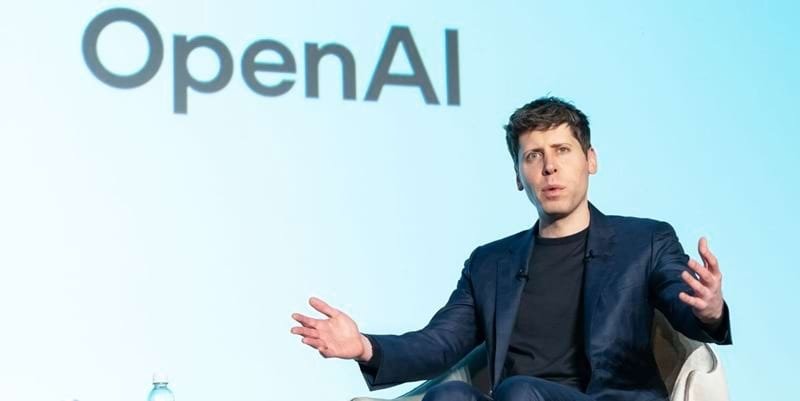 The announcement has stirred “Public Debate”. Critics argue that proving someone is an adult is notoriously difficult online, opening risks of exposure of sensitive content to underage users. Others raise concerns about how AI might influence intimacy and relationships. Some fear overreliance on erotic AI content could blur boundaries between human connection and synthetic interactions. Altman has defended the policy shift, stating OpenAI is not “the moral police of the world.” He argues the company must balance safety with freedom, and that prior restrictive policies, even with good intents, made ChatGPT less useful or enjoyable for many users who did not pose mental health risks.
Investor Mark Cuban warned that the move could “BACKFIRE,” especially if minors find ways to bypass age verification.
Ethical Considerations
From a public health viewpoint, the move raises several issues:
Mental health risks: Erotic content could trigger or worsen issues for users with existing vulnerabilities. Ensuring rapid detection and response is essential.
Access by Minors: Even with verification, risks remain that underage users access explicit material potentially causing psychological harm or normalization of inappropriate behavior.
Consent and Exploitation: AI must avoid content that involves non-consensual, exploitative, or degrading scenarios. The boundary between erotic and abusive content is delicate.
Privacy and Data risks: Age verification systems might require sensitive user data (IDs, biometric checks), raising privacy, security, and data misuse concerns.
Normalization and societal impact: widespread access to erotic AI content may shift expectations around relationships, intimacy, and consent, influencing social behaviors over time.
The company must invest in monitoring, ethical auditing, and transparency to mitigate these risks. They will also need to coordinate with regulators, mental health experts, and civil society to ensure responsible deployment.
OpenAI’s decision to allow erotica for verified adult users is a bold turning point, one that balances expanding user freedom against serious ethical and safety challenges. It pushes the envelope on how AI platforms govern mature content, and will test the effectiveness of moderation, age verification, and mental health safeguards. If implemented thoughtfully, it could create a new paradigm in AI expression for adults. But if the safeguards fail, the move could exacerbate risks, especially for vulnerable users. The success will lie in how well OpenAI can walk the line: protect users, prevent harm, and treat adults with respect.