






I. What Health Observance Days Are?
Every month the calendar is full of special days and weeks for health. World Health Day, World AIDS Day, World No Tobacco Day, World Mental Health Day, Breast Cancer Awareness Month and many more. Health observance days and weeks are planned dates when the world agrees to pay attention to a specific health issue. WHO and regional bodies describe them as chances to raise awareness, improve understanding and mobilize support for action from the local level to the global stage. Some are truly global, like World Health Day on 7 April, which is sponsored by WHO and observed in all member states. Others are regional or national, such as HIV Testing Week in some countries, or special immunization weeks.

 They come in different formats
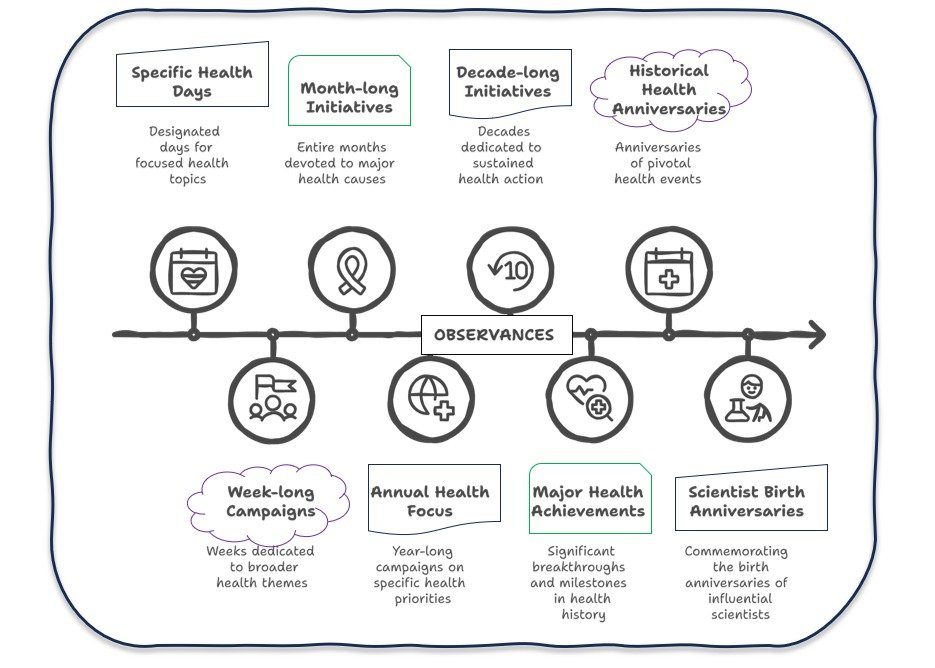 They come in different formats
Days
Themed Weeks
Month-long campaigns
Anniversaries of key events
Milestones in health
In public health, these observances are not just dates on paper. They are ready made opportunities to teach, advocate and organise communities around priority issues.
II. Why We Celebrate Them?
We do not celebrate health days just to post a graphic for 24 hours. There are several deep reasons.
1. To put a spotlight on specific problems
Health systems are overloaded. Many important issues get ignored in daily news. International and national health days push one topic to the top of the agenda for a short time, so it cannot be easily overlooked. WHO notes that such days help raise awareness, understanding and support for action.
2. To educate and inform the public
Awareness days are designed for public education. They help people understand diseases, risk factors, prevention options and early warning signs, often in simple language.
3. To mobilise action and change behavior
Many campaigns aim to change behavior, for example encouraging HIV testing on World AIDS Day or promoting quitting tobacco on World No Tobacco Day. These days can be triggers for people who are already thinking about making a healthy change.
4. To influence policy and political will
Awareness days can increase media coverage, create public pressure and help generate political will for policy change, such as smoke free laws or better access to treatment.
5. To remember, honour and stand in solidarity
Some observances, like World AIDS Day, are also moments to remember those who have died and to show visible support for people living with chronic illness. So when we mark these days, we are really saying three things:
“This issue matters | People affected by it matter | Action cannot wait.”
III. How These Days Create Impact?
Research suggests that awareness days, weeks and months can shift knowledge, attitudes and even media attention around serious health issues. The impact usually flows through a few pathways.
i. Change in knowledge and attitudes
Campaigns bring facts into homes, schools and workplaces. For example, World No Tobacco Day is used worldwide to educate people about the dangers of tobacco, the tactics of the tobacco industry and the right to smoke free environments.
ii. Behavior change and service uptake
On World AIDS Day and during HIV testing weeks, many countries see spikes in people coming forward for testing, especially when linked with community events, free tests or home sampling kits. Similarly, anti tobacco campaigns linked to World No Tobacco Day support quit attempts and motivate policymakers to tighten controls.
iii. Policy and environmental changes
Awareness efforts around tobacco, air pollution and other risk factors have contributed to stronger policies in many countries, such as smoking bans in public spaces and generational tobacco control measures. World Health Day and similar observances give civil society a moment to demand that governments prioritise public health and health equity.
iv. Funding and research attention
Themed days and anniversaries can help attract donations and grants for underfunded conditions, as well as encourage research networks to release new reports and data timed with the observance.
Tobacco Day has supported tobacco control for years by publicising the health burden, exposing industry tactics and encouraging stronger laws, from taxation to advertising bans.
Impact is not automatic. It depends on how well we use the day.
IV. Ways You Can Get Involved?
 As a public health professional, student, faculty or practitioner. We can
A. Simplify and share knowledge
Write a short explainer in simple language for your audience.
Turn key facts into a one page handout, poster or social media carousel.
Use local data if possible, so people see themselves in the issue.
B. Connect with communities
Organise a small health talk in a school, college, anganwadi, panchayat or urban slum community.
Join existing campaigns by local NGOs, medical colleges or district health authorities.
Support frontline workers by giving them easy to use IEC material and simple talking points.
C. Promote screening and early care
Partner with clinics or hospitals to run themed screening camps, for example blood pressure checks on World Hypertension Day or HIV testing on World AIDS Day.
For chronic diseases, use the day to remind patients about follow up visits, adherence and lifestyle changes.
D. Use media strategically
Write an op ed, blog or local language article linking the observance to issues in your district or state.
Offer short interviews to community radio or local TV if you are comfortable.
Share infographics and short videos through WhatsApp groups and local networks, not only formal social media.
E. Mobilise students and volunteers
Involve medical, nursing, public health, social work and allied health students in street plays, rallies, poster competitions or school sessions.
Use the day as a learning platform to discuss ethics, stigma, communication and community engagement.
F. Collect stories and feedback
Document patient stories or community experiences, with consent, that illustrate the theme.
After activities, ask people what they learned and what they still find confusing. This guides your next campaign.
The key is to pick one or two realistic actions and do them well, rather than trying everything.
V. Turning Awareness Into Action
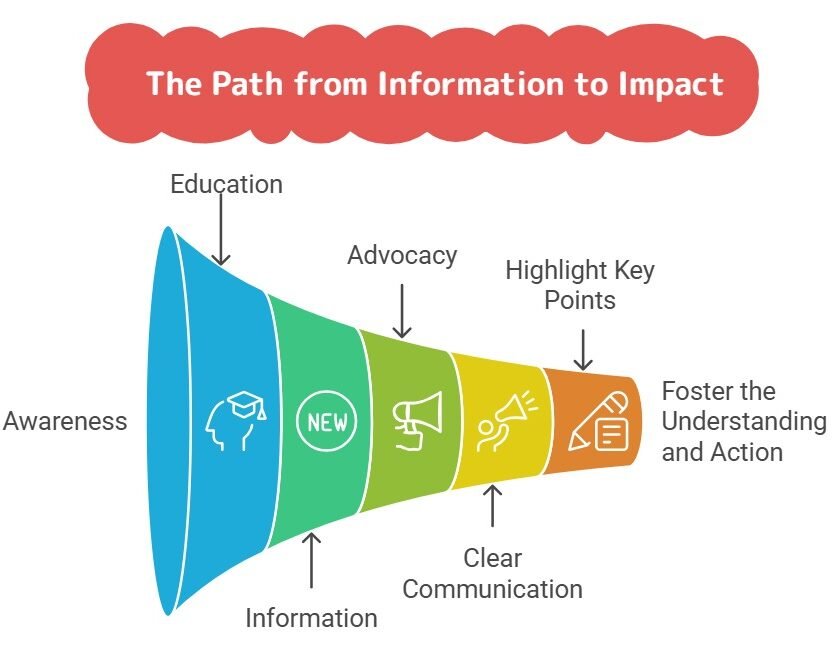
Awareness is only the first step. The real value of health observances is in what happens after the banners come down. You can think of a simple three step chain:
KNOW
People understand the problem, who is at risk and what can be done.
FEEL
They feel that the issue is relevant to their lives, their family or their community.
DO
They take a step, even a small one. Get tested. Quit a habit. Support a neighbour. Call a helpline. Join a local campaign. Sign a petition. Ask a question at a gram sabha or ward meeting.
For public health and community medicine teams, each observance is a checkpoint
Are we using this moment to test our systems, such as referral pathways and emergency response?
Are we identifying who is being left out, for example informal workers, migrants, elderly people living alone or people with disabilities?
Are we using these days to build long term community partnerships, rather than one day events?
If we use health days only for photos and slogans, their power is wasted. If we use them as starting points to build relationships, change norms and push for better services, they become tools for real change.