





I. Overview:
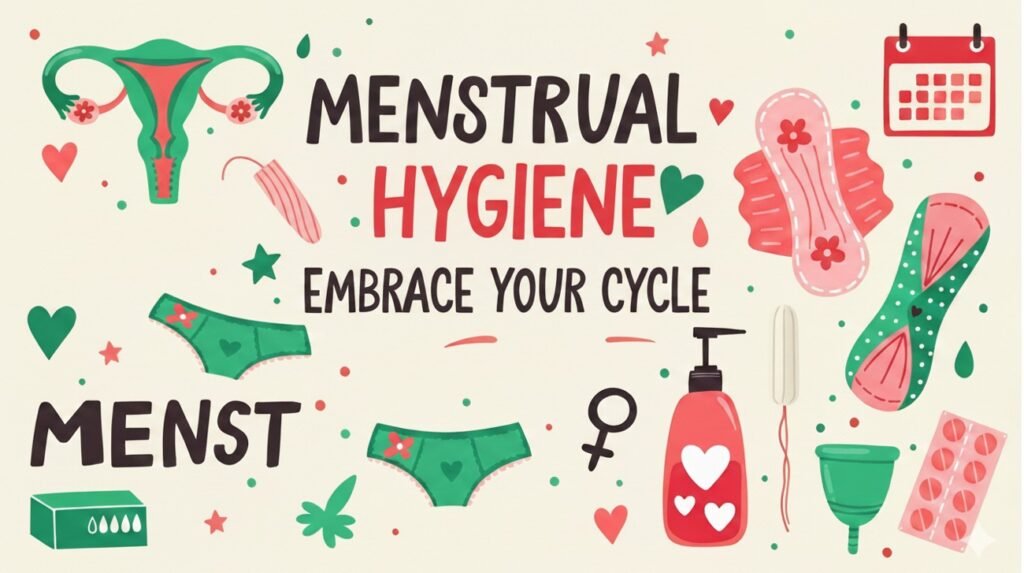
Menstrual Hygiene Day (MH Day) is observed annually on May 28 to raise awareness about the importance of good menstrual hygiene management (MHM). Initiated by the German-based NGO WASH United in 2013, the first official MH Day was celebrated in 2014. The date, May 28, was chosen to symbolize the average 28-day menstrual cycle and the average 5-day duration of menstruation.
II. Significance of the Theme 2025:
The 2025 theme emphasizes collective action to create a world where menstruation is not a barrier to education, health, and opportunity. It calls for breaking taboos, ensuring access to menstrual products, and promoting period-friendly environments
III. What is Menstrual Hygiene Day?
Menstrual Hygiene Day serves as a global platform to advocate for:
- Education: Providing accurate information about menstruation to all genders.
- Access: Ensuring availability of affordable menstrual products.
- Facilities: Promoting clean and safe sanitation facilities.
- Policy: Integrating MHM into national health and education policies.
IV. Quick Facts about Menstrual Hygiene 💡
- Over 500 million women and girls worldwide lack adequate facilities for menstrual hygiene management.
- Every month, over 2 billion people menstruate, yet stigma and silence persist.
- Inadequate MHM leads to absenteeism among schoolgirls, affecting their academic performance.
- Lack of access to menstrual products can hinder women’s participation in the workforce.
- Disposable sanitary products contribute significantly to plastic waste.
V. A Brief History of Menstrual Hygiene Day:
2013: WASH United initiates the concept of MH Day.
2014: First official MH Day observed with participation from 155 partner organizations.
2015: Campaigns like #IfMenHadPeriods gain traction, challenging societal norms.
2020: Global partnerships expand, with over 1,000 organizations involved.
2025: The movement continues to grow, focusing on creating a #PeriodFriendlyWorld.
VI. How to Observe Menstrual Hygiene Day?:
- Educational Workshops: Organize sessions in schools and communities to educate about MHM.
- Product Drives: Collect and distribute menstrual products to those in need.
- Advocacy Campaigns: Use social media platforms to spread awareness using hashtags like #MHDay2025 and #PeriodFriendlyWorld.
- Policy Engagement: Advocate for policies that support menstrual health and hygiene.
- Art and Media: Create art, films, or literature that destigmatize menstruation.
🔗 References:
- https://www.menstrualhygieneday.org/
- https://www.unfpa.org/events/menstrual-hygiene-day
- https://www.cdc.gov/hygiene/about/menstrual-hygiene.html
- https://blogs.worldbank.org/en/opendata/observing-world-menstrual-hygiene-day–understanding-the-struggl
Disclaimer: We link to external websites for informational purposes only, but we do not endorse or guarantee their accuracy. Once you leave our site, you will be subject to the new website’s privacy policy