






I. Overview:
Global Handwashing Day (GHD) is observed annually on October 15 to promote awareness and understanding about the importance of handwashing with soap as an effective and affordable way to prevent diseases and save lives. Established in 2008 by the Global Handwashing Partnership, initially called the “Public-Private Partnership for Handwashing.” This day serves as a platform to design, test, and replicate creative ways to encourage people to wash their hands at critical times.
II. Significance of the Theme:
Each year, the theme focuses on a specific aspect of hand hygiene, aiming to highlight challenges and promote solutions to achieve better health outcomes through proper handwashing practices.
 III. What is Hand Hygiene ?
 III. What is
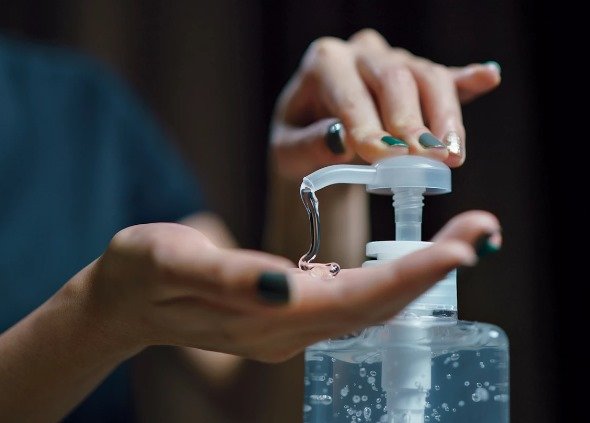
 The CDC defines hand hygiene as cleansing the hands through soap and water, antiseptic washes, alcohol-based rubs, gels, foams, or surgical antiseptic methods. Washing is essential when hands are visibly soiled, in contact with blood or bodily fluids, before eating, and after restroom visits.
IV. Quick Facts about Handwashing :
- In the early 19th century, handwashing was first adopted in patient care environments.
- Globally, only 19% of people wash hands with soap after defecation.
- Most hospital-acquired infections can be prevented by something as simple as washing hands at the right time!
- WHO’s “5 Moments for Hand Hygiene” remain the gold standard, despite this, average global compliance among healthcare workers is below 40%, and even lower in ICUs.
- The average human hand carries 10⁴–10⁶ colony-forming units (CFU) of bacteria.
- Alcohol-based hand rubs (ABHRs) with ≥60% ethanol or ≥70% isopropanol effectively inactivate enveloped viruses
- Handwashing removes 99.9% of transient flora, while alcohol rubs are superior against most enveloped viruses but less effective against spores.
- During COVID-19, global hand hygiene practices increased by over 70% in public places, though compliance declined again post-2022.
- 2.3 billion people still lack access to basic handwashing facilities with soap and water at home.
- 1 in 3 lacks functional hand hygiene stations at the point of care, at low-income countries.
V. A Brief History of GHD:
2008: First observed on October 15, initiated by the Global Handwashing Partnership with over 120 million schoolchildren washing hands with soap.
2009: The WHO emphasized specific guidelines referred to as the “Five Moments for Hand Hygiene”
2015: India’s massive handwashing campaign participated; “Raise a hand for hygiene” was prominent.
2020: The COVID-19 pandemic shows the significance of hand hygiene as one of the most effective and affordable ways to prevent the transmission of the virus
2021-23: “Our Future is at Hand – Let’s Move Forward Together”, “Unite for Universal Hand Hygiene”, “Clean Hands are Within Reach.” were the recurring themes over the years
2024: The theme “Why are clean hands still important?” enduring importance of hand hygiene even beyond pandemics and maintaining behavior, infrastructure, awareness.
2025: The present theme celebrates the power of individual action in promoting collective health.
VI. How to Observe Global Handwashing Day?
- Educate: Organize workshops or seminars to teach proper handwashing techniques.
- Advocate: Engage with policymakers to promote hand hygiene in public health policies.
- Participate: Join local or virtual events focused on hand hygiene promotion.
- Share: Use social media to spread awareness using hashtags like #GlobalHandwashingDay and #CleanHands.
- Support: Contribute to organizations working towards improving access to handwashing facilities.
References:
- https://globalhandwashing.org/global-handwashing-day/
- https://www.cdc.gov/clean-hands/globalhandwashingday/index.html
- https://www.ncbi.nlm.nih.gov/books/NBK144035/