





I. Overview:
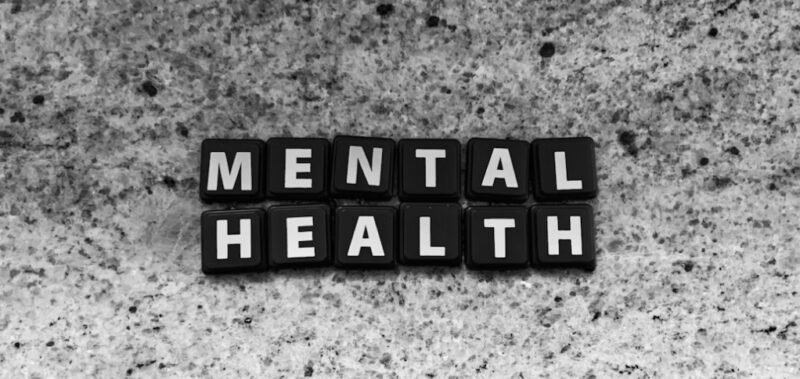
World Mental Health Day (WMHD) is observed annually on October 10 to raise awareness about mental health issues, reduce stigma, and promote mental well-being. It was established in 1992 by the World Federation for Mental Health (WFMH), the day provides an opportunity for individuals and organizations to discuss mental health, share experiences, and advocate for better mental health care.
 II. Significance of the Theme:
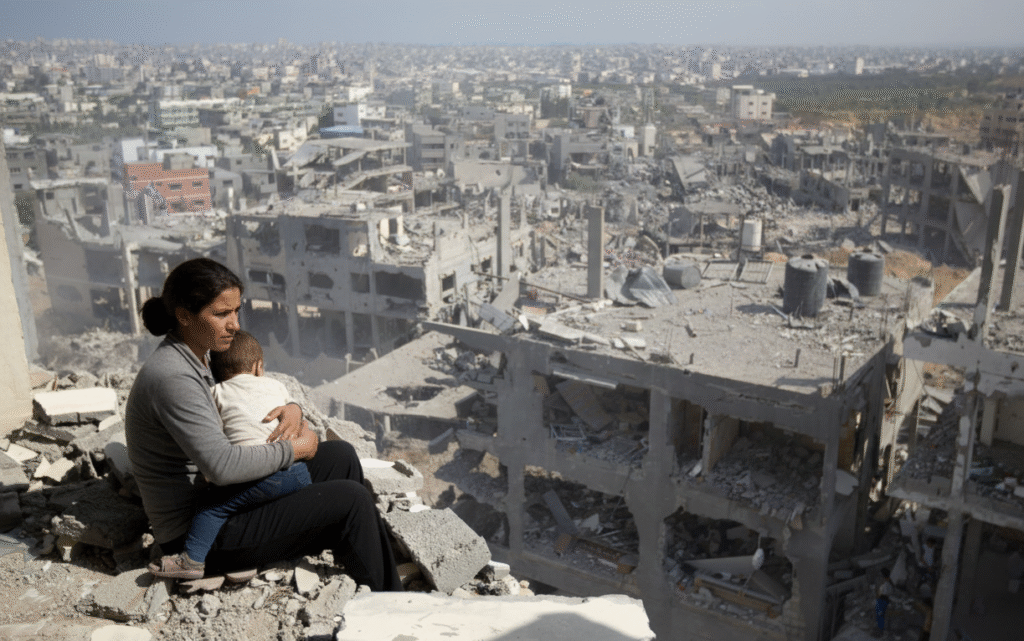 II. Significance of the Theme:
This years special focus calls for urgent action to:
- Prioritize mental health as a core component of humanitarian response.
- Integrate psychosocial support into emergency relief and recovery efforts.
- Strengthen the access to mental health services for displaced, conflict-affected, and disaster-impacted populations.
- Train frontline workers and community health providers in psychological first aid.
- Advocate for inclusive policies ensuring mental health care in crisis settings.
III. What is Mental Health?
According to WHO, Mental health is a state of well-being where individuals can cope with life’s stresses, realize their abilities, and work productively. It is a basic human right and a vital part of overall health and development. Mental health is more than just the absence of mental disorders, encompassing positive cognitive, emotional, and social functioning.
IV. Quick Facts about Mental Health:
- Nearly 14% of the global population is living with a mental disorder.
- WHO estimates that 1 in 5 people in conflict-affected areas suffer from some form of mental health condition
- The COVID-19 pandemic caused a 25% increase in anxiety and depression globally (WHO, 2022).
- The most common mental disorders are anxiety (301 million) and depression (280 million).
- Depression is the leading cause of disability globally.
- Women are nearly 1.5 times more likely than men to experience DAS.
- Suicide is the second leading cause of death among youth aged 15–29
- The green ribbon is internationally recognized as a symbol for mental health awareness.
- Nearly 75% of people with mental disorders in LMICs receive no treatment.
- Only 2% of government health budgets are allocated to mental health on average.
V. A Brief History of WMHD:
1992: Initiated by the World Federation for Mental Health; first observed on October 10.
1994: First theme was introduced as “Improving the Quality of Mental Health Services throughout the World.”
2000: Themes expanded to include various aspects of mental health, reflecting global concerns.
2018: UK appointed its first Suicide Prevention Minister during WMHD events.
2020: Emphasis on increased investment in mental health amid the COVID-19 pandemic.
2021-23: COVID and post-covid phase covered themes – “Mental Health in an Unequal World”, “Mental Health – A Global Priority”, and “Mental health as a Universal Human Right”.
2024: This year theme focused on priortizing “Mental Health at Workplace”.
2025: Theme “Mental Health in Humanitarian Emergencies,” calls for prioritizing psychosocial support and accessible care as essential parts of crisis response and recovery.
 VI. How to Observe WMHD?
- Wear a Green Ribbon to show support for mental health awareness.
- Organize Community Events such as workshops, seminars, or support groups to discuss mental health.
- Share Stories to encourage individuals to share their mental health journeys to reduce stigma.
- Promote Mental Health Resources to distribute information about available mental health services.
- Advocate for Policy Changes.
🔗 References:
- https://www.who.int/campaigns/world-mental-health-day
- https://www.mentalhealth.org.uk/our-work/public-engagement/world-mental-health-day
- https://wmhdofficial.com/
- https://www.un.org/en/healthy-workforce/world-mental-health-day