





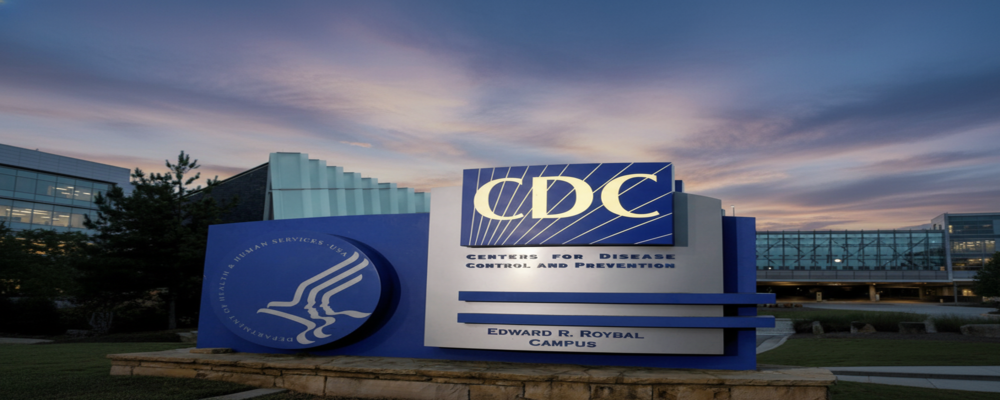
The Centers for Disease Control and Prevention (CDC) in the United States is facing a major crisis from leadership upheaval, major staffing cuts, program dissolution, and political interference, that experts say is eroding its ability to protect both American health and global health security.

Red Flags You Shouldn’t Ignore
- Over recent months, senior CDC leaders resigned or were dismissed, including experts in vaccination, outbreak response, and chronic disease prevention.
- Entire disease-surveillance units were disbanded, and leading labs tracking infections and antimicrobial resistance (AMR) were shut down or left understaffed.
- The agency’s global-health mandate is weakening. The CDC itself emphasises that “Global health security is national security.”
- Experts argue that the timing is especially bad. Global threats like new viral outbreaks, AMR, and environmental disasters are increasing and require strong, independent institutions.
“Losing top, experienced experts managing crucial units in the CDC is going to put all of us at risk.”
— Nirav Shah, former Principal Deputy Director, CDC
What This Means For Global Health?
Without strong leadership and technical capacity, the U.S. loses critical early-warning capability for outbreaks. For example:
The CDC used to lead in vaccine recommendation, disease tracking, lab testing, global collaboration. These functions are now under stress.
The breakdown creates a domino effect globally. Pathogens don’t respect borders. Slower U.S. detection or response means slower global coordination.
Public trust is sliding. When a premier agency appears politically driven or understaffed, it undermines messaging, compliance and international cooperation.
What’s At Stake For the World?
Outbreaks: With fewer resources and weakened infrastructure, small regional epidemics may become large global crises.
Vaccine confidence: Policy shifts or reduced oversight can fuel vaccine hesitancy domestically and that reverberates abroad.
Global partnerships: U.S. leadership in global health funding and institutions becomes less credible when home agencies falter.
Preparedness: Future pandemics, climate-driven health threats or antimicrobial resistance require robust institutions — weakening one weakens all.
The CDC’s troubles are not just a domestic issue. They affect global health systems, international collaboration and the world’s ability to detect, respond and contain public-health threats. If one of the world’s top public-health agencies is operating at diminished capacity, everyone shares the risk.