






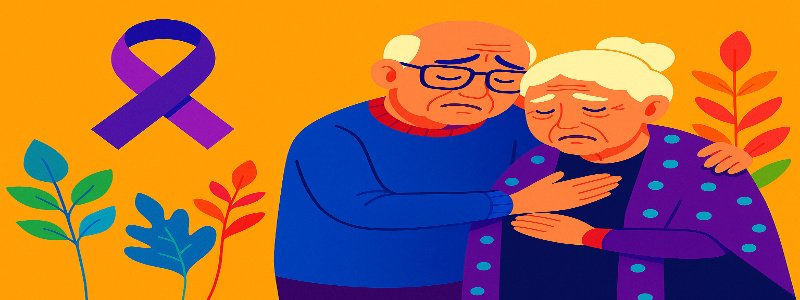
I. Overview
World Elder Abuse Awareness Day (WEAAD) is observed annually on June 15. First established in 2006 by the “International Network for the Prevention of Elder Abuse (INPEA)” and the World Health Organization (WHO), it was officially recognized by the United Nations General Assembly in 2011. The day aims to raise awareness about the abuse, neglect, and exploitation of older adults, promoting their rights and well-being
II. Significance of the Theme
The 2025 theme, “Be Bold – Age with Attitude”, celebrates the strength, wisdom, and resilience of older adults. It encourages society to challenge ageist stereotypes and to promote the rights of older individuals to live free from abuse and discrimination. This theme underscores the importance of empowering seniors and recognizing their valuable contributions to communities.
III. What is Elder Abuse?
Elder abuse refers to any intentional or negligent act by a caregiver or trusted individual that causes harm or a serious risk of harm to an older adult. It encompasses various forms, including – justice, physical abuse, emotional or psychological abuse, sexual abuse, financial exploitation, and neglect. It can occur in various settings, including private homes, nursing homes, and other institutional facilities.
IV. Quick Facts about Elder Abuse: 💡
- Approximately 1 in 10 older adults experience some form of abuse each year.
- Only 1 in 5 cases of elder abuse are reported to authorities.
- Older Americans lose an estimated $2.6 billion or more annually due to elder financial abuse and exploitation.
- In about 90% of elder abuse and neglect incidents, the perpetrator is a family member.
- Victims of elder abuse have a 300% higher risk of death compared to those who have not been abused.
V. A Brief History of Elder Abuse Awareness:
1975: The term “elder abuse” is introduced in British literature, marking its first formal recognition.
1980s: USA, UK, and Canada begin researching elder mistreatment and establish early protective services.
1990: INPEA (International Network for the Prevention of Elder Abuse) is founded to advance global awareness.
2002: The WHO identifies elder abuse as a major public health and human rights concern in its global violence report.
2006: World Elder Abuse Awareness Day (WEAAD) is observed for the first time on June 15, initiated by INPEA and WHO.
2011: The UN General Assembly officially designates June 15 as WEAAD through Resolution 66/127.
VI. How to Observe World Elder Abuse Awareness Day:
- Wear Purple: Don the color purple, the official color of WEAAD, to show support and raise awareness.
- Educate Yourself and Others: Learn about the signs of elder abuse and share information with friends, family, and community members.
- Host or Attend Events: Participate in local or virtual events, workshops, or seminars focused on elder abuse awareness and prevention.
- Advocacy: Support policies and programs that protect older adults and promote their rights.
- Report Abuse: If you suspect elder abuse, report it to local authorities or adult protective services.
🔗 References:
- https://www.un.org/en/observances/elder-abuse-awareness-day
- https://www.who.int/campaigns/world-elder-abuse-awareness-day
- https://worldelderabuseawareness.com/
Disclaimer: We link to external websites for informational purposes only, but we do not endorse or guarantee their accuracy. Once you leave our site, you will be subject to the new website’s privacy policy