






I. Overview
World Environment Day is observed annually on June 5 and serves as the United Nations’ principal platform for encouraging worldwide awareness and action for the protection of our environment. Established in 1972 by the UN General Assembly during the Stockholm Conference on the Human Environment, it was first celebrated in 1974. Since then, it has grown to become the largest global platform for environmental public outreach, celebrated by millions of people across the world.
II. Significance of the Theme 2025:
The 2025 theme focuses on the urgent need to tackle plastic pollution, which has become one of the most pressing environmental issues. Plastic waste is pervasive, affecting every part of the planet, from remote islands to the deepest ocean trenches. Microplastics have been found in the air we breathe, the food we eat, and even within our bodies. This year’s campaign aims to mobilize global action to reduce plastic consumption, promote sustainable alternatives, and support the development of a legally binding international treaty to end plastic pollution.
III. What is an Environment?:
The term ‘environment’ is complex and conveys different meanings: the word ‘environment’ is employed as a synonym for space, territory, place, or ecosystem. A comprehensive definition of environment describes it as the set of conditions in which living takes place: it is the complex system of physical, chemical and biological factors, of living and non-living elements and of the relationships in which all the organisms that inhabit the planet are immersed.
IV. Quick Facts about Plastic Pollution 💡
- Over 400 million tonnes of plastic are produced worldwide each year, with a significant portion being single-use plastics
- Approximately 11 million tonnes of plastic waste enter aquatic ecosystems annually, harming marine life and ecosystems.
- Microplastics have been detected in human organs, and their long-term health effects are still being studied.
- The annual social and environmental cost of plastic pollution is estimated to range between $300 -600 billion.
- Only about 9% of plastic waste ever produced has been recycled, highlighting the need for improved waste management systems.
V. A Brief History of World Environment Day:
1972: The UN General Assembly establishes World Environment Day during the Stockholm Conference on the Human Environment.
1974: The first World Environment Day is celebrated with the theme “Only One Earth.”
1987: The concept of rotating the host country begins, allowing different nations to showcase their environmental achievements and challenges.
1992: Held in Rio de Janeiro, Brazil, during the Earth Summit, leading to significant environmental treaties.
2025: The Republic of Korea hosts World Environment Day for the second time, focusing on ending plastic pollution globally.
VI. How to Observe World Environment Day?:
- Educational Campaigns: Organize seminars, workshops, and webinars to educate the public about plastic pollution and sustainable practices.
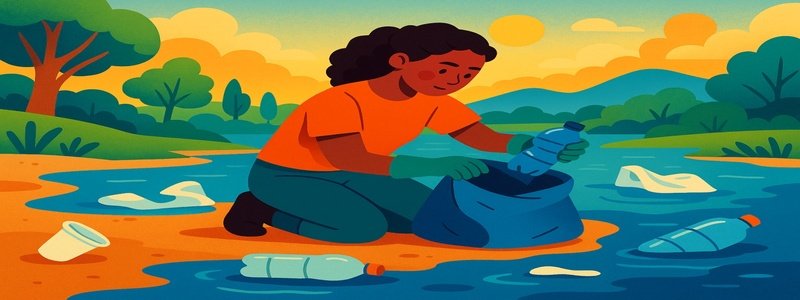
- Community Clean-Ups: Participate in or organize local clean-up drives to remove plastic waste from natural habitats.
- Policy Advocacy: Engage with policymakers to support legislation aimed at reducing plastic production and promoting recycling.
- Sustainable Choices: Adopt and promote the use of reusable bags, bottles, and containers to minimize single-use plastics.
- Social Media Engagement: Use platforms to spread awareness using hashtags like #WorldEnvironmentDay and #BeatPlasticPollution.
🔗 References:
- https://www.worldenvironmentday.global/
- https://www.unep.org/events/un-day/world-environment-day-2025
- https://www.genevaenvironmentnetwork.org/events/geneva-world-environment-day-celebration-2025/
Disclaimer: We link to external websites for informational purposes only, but we do not endorse or guarantee their accuracy. Once you leave our site, you will be subject to the new website’s privacy policy.