





I. Overview:
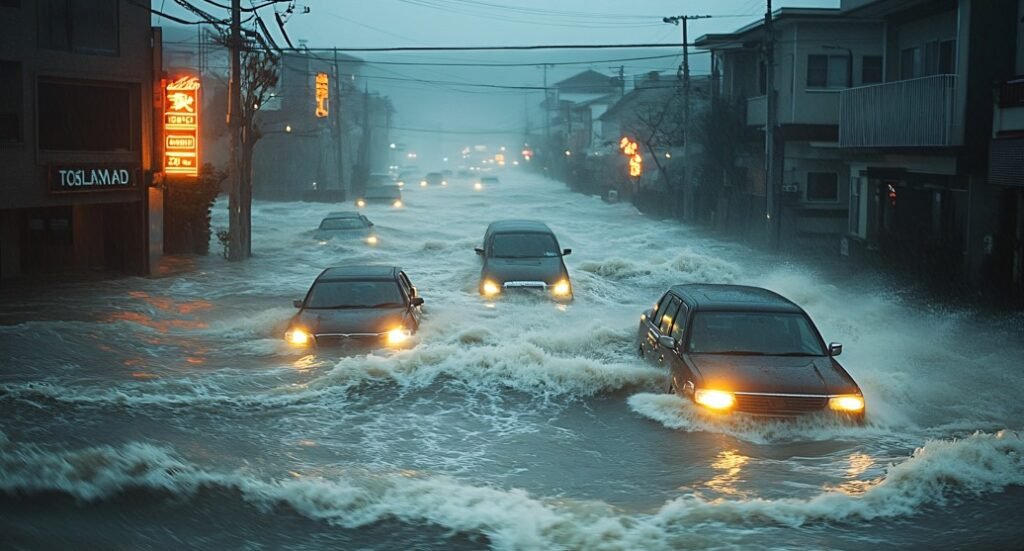
The International Day for Disaster Risk Reduction (IDDRR), observed each year on October 13, celebrates how people and communities around the world are reducing their exposure to disasters and raising awareness about the importance of disaster preparedness and resilience. Established by the UN General Assembly in 1989, the day reflects the growing global commitment to implementing the Sendai Framework for Disaster Risk Reduction 2015–30, which aims to reduce disaster losses in lives, livelihoods, and health.
 II. Significance of the Theme:
 II. Significance of the Theme:
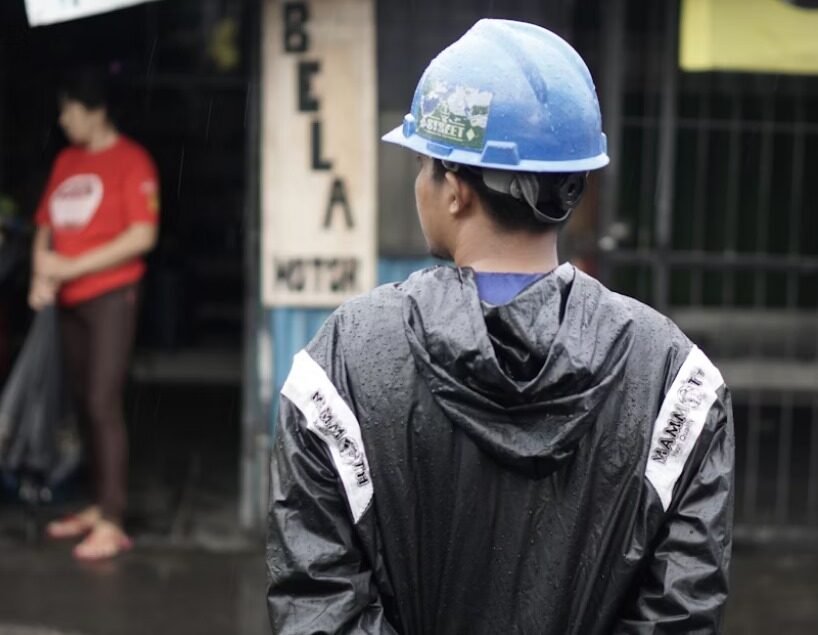
This year’s IDDRR theme – “Fund Resilience, Not Disasters” calls for urgent investment in resilience now. Acting early helps avoid paying far more after disasters strike. This day urges governments, local authorities, civil society, and individuals to work together in strengthening disaster risk governance. It also emphasizes the role of:
- Early warning systems
- Risk-informed investments
- Climate adaptation planning
- Building disaster-resilient infrastructure
- Community awareness and education
III. What is Disaster Risk Reduction (DRR)?
Disaster Risk Reduction involves strategies to prevent new and reduce existing disaster risks through:
- Hazard assessment
- Land-use planning
- Building codes and regulations
- Education and capacity building
- Preparedness and early warning systems
The aim is to reduce harm to people, property, economies, and the environment.
IV. Key Facts about Disasters & Risk Reduction:
- Over 1.23 million lives were lost due to disasters between 2000 and 2019 (UNDRR).
- Economic losses from disasters totaled $2.97 trillion over the same period.
- Climate-related disasters now account for over 90% of all major disasters globally.
- Just 24 hours warning of a storm can cut damage by 30% or more (UNDRR).
- More than 3 billion people live in disaster-prone regions globally.
V. Brief History of the Day:
1989: UN General Assembly designates October 13 as “International Day for Natural Disaster Reduction”.
2009: Renamed to International Day for Disaster Risk Reduction (IDDRR).
2015: Adoption of the Sendai Framework, the global guide for DRR.
2020-23: Themes focused on ” It’s all about governance”, “Only together…can we save the planet!”, “: Early warning and early action for all”, and “Fighting inequality for a resilient future”.
2024: “Empowering the Next Generation for a Resilient Future” focuses on equipping youth with the knowledge, skills, and resources to lead disaster preparedness and climate action
2025: The main focus is on growing evidence that prevention and preparedness are far more cost-effective than response and recovery.
 VI. How to Observe IDDRR?:
 VI. How to Observe IDDRR?:
- Organize community workshops, school drills, and mock disaster exercises.
- Promote local success stories in building resilience.
- Share educational content on social media to increase awareness.
- Conduct risk mapping activities in your region.
- Advocate for DRR policies and budget allocations at local and national levels.
References:
- https://www.undrr.org/
- https://www.undrr.org/publication/sendai-framework-disaster-risk-reduction-2015-2030
- https://www.worldbank.org/en/topic/disasterriskmanagement
- https://knowledge.aidr.org.au/resources/international-day-for-disaster-risk-reduction/