





I. Overview:
World Osteoporosis Day (WOD) is observed annually on October 20 to raise global awareness about the prevention, diagnosis, and treatment of osteoporosis and related bone diseases. Organized by the International Osteoporosis Foundation (IOF), the day serves as a platform to advocate for bone health and mobilize action against the silent epidemic of fragile bones.
II. Significance of the Theme:
This year’s theme “It’s Unacceptable” focuses on the urgent need to end the global neglect of osteoporosis prevention and bone health. Despite affecting over 200 million people worldwide, osteoporosis remains underdiagnosed and undertreated. The theme calls for stronger health policies, early screening, lifestyle interventions, and equitable access to treatment for preventing fractures and poor bone health outcomes are simply unacceptable in today’s world. Last year, theme was “Build Better Bones”, encouraging prevention from an early age.
III. What is Osteoporosis?
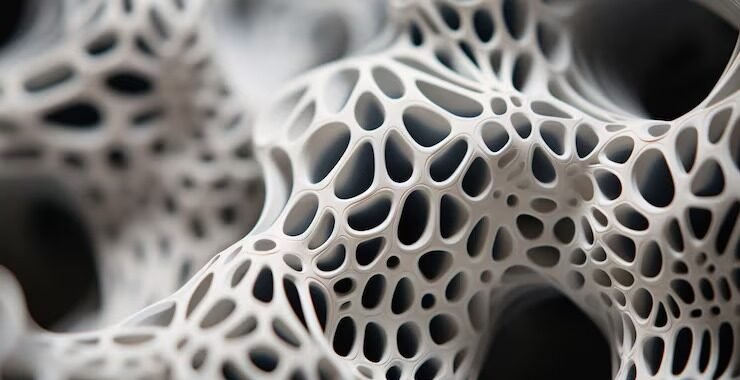
Osteoporosis means “porous bone.” Osteoporosis is a condition in which bones become weak and fragile because the body either loses too much bone, produces too little new bone, or both. Even minor falls, bumps, or in severe cases, simple actions like sneezing can cause fractures.
It causes bones to become weak and brittle, so brittle that even minor falls or coughing can cause fractures. Common fracture sites include – Hip, Spine, Wrist. It affects both men and women, though postmenopausal women are at higher risk due to estrogen decline.
IV. Key Facts about Osteoporosis:
- Globally, about 500 million people may be affected by osteoporosis.
- 1 in 3 women and 1 in 5 men over 50 will suffer an osteoporotic fracture (IOF).
- As the world population ages, the number of hip fractures is expected to almost double between 2018 and 2050.
- Hip fractures are associated with a 20-24% increase in mortality within one year post-injury.
- Nearly 75% of all hip fractures occur in women.
- Vertebral fractures are the most common type of osteoporotic fracture and are linked to an eightfold higher age-adjusted risk of death.
V. Brief History of World Osteoporosis Day:
1996: First observed by the UK’s National Osteoporosis Society.
1998: IOF took over its coordination with WHO support.
2000-2010s: Expanded into over 90 countries, with increased media and policy engagement.
2020-24: Focused on building strong bones from childhood and improving post-fracture care systems.
2025: Current Theme focuses on ending the global neglect of osteoporosis through prevention, early diagnosis, and equitable access to bone health care.
- Organize screening camps for bone density tests.
- Educate communities through workshops, webinars, or awareness walks.
- Share personal stories to destigmatize bone disease and promote early action.
- Advocate for access to diagnostic tools and medicines.
- Promote healthy diets and exercises for bone strength.
References:
- https://www.niams.nih.gov/health-topics/osteoporosis
- https://www.osteoporosis.foundation/facts-statistics/epidemiology-of-osteoporosis-and-fragility-fractures
- https://www.bonehealthandosteoporosis.org/patients/what-is-osteoporosis/