





I. Overview
This global campaign runs every year from November 25 (International Day for the Elimination of Violence Against Women) to December 10 (Human Rights Day). It calls attention to the widespread issue of gender based violence and urges governments, institutions, and communities to act.
The campaign is led by women’s rights organisations, UN agencies, and civil society networks working toward a world where everyone is safe, respected, and free from abuse.
II. Significance of the Theme 2025:
The theme reminds us that gender based violence is not a private matter but a human rights violation. The 16 Days create a concentrated period where advocacy, policy action, survivor support, and public conversations gain momentum. It encourages stronger laws, safer systems, and community-level commitment to protecting women, girls, and gender diverse people.
III. What is Gender-Based Violence?
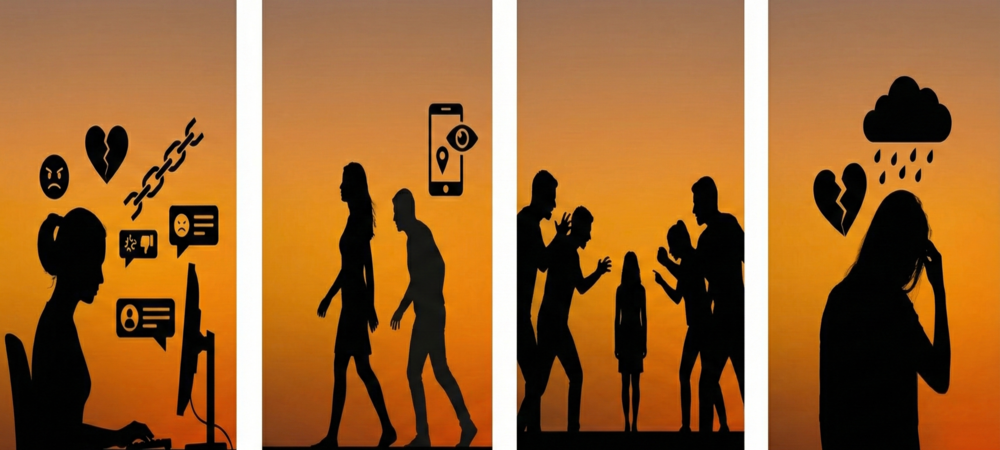
Gender-Based Violence refers to harmful acts committed against someone because of their gender. It encompasses a wide range of abuses: physical, sexual, emotional, psychological, economic and digital violence; intimate partner violence (IPV), sexual violence by non-partners, harassment, coercion, forced marriage, and more. GBV violates human rights and deeply undermines the health, dignity, autonomy, and social well-being of survivors.
IV. Quick Facts about Gender-Based Violence
Almost 1 in 3 women worldwide experience violence in their lifetime.
Most violence is perpetrated by intimate partners.
Around 8% of women globally have experienced sexual violence by someone other than a partner.
Gender based violence rises sharply during conflicts, disasters, and humanitarian crises.
- Digital violence, cyberstalking, and online harassment are rapidly increasing.
Violence often remains hidden, under-reported, or ignored, especially in forms like emotional or digital abuse requiring vigilance and safe reporting mechanisms.
- Economic dependence and social stigma often prevent survivors from seeking help.
V. A Brief History
1991: Initiated by activists at the Center for Women’s Global Leadership (CWGL) to link violence against women with human rights.
2008: UN launched the global “UNiTE to End Violence Against Women” campaign and introduced “Orange the World” as the official advocacy colour.
2016-19: Global focus expanded on ending legal impunity, strengthening survivor support systems, and community-based prevention strategies.
2020-22: Themes highlighted the rise in domestic and online violence during COVID-19, with emphasis on digital safety and access to services during lockdowns.
2023-24: Campaigns focused on intersectional gender justice, disability inclusion, migrant women’s safety, and climate-related gender violence.
VI. How to Observe 16 Days of Activism :
Organise or join community awareness events, marches, or public discussions.
Share verified information on support services such as helplines and crisis centres.
Promote workplace policies on harassment and safe reporting.
Light up public buildings or landmarks in orange, the global colour of the campaign.
Support local NGOs working with survivors through volunteering or donations.
Encourage schools and colleges to run sessions on consent, safety, and gender equality.
Use social media to amplify survivor-centred messages and counter harmful narratives.
References
UN Women – UNiTE / 16 Days of Activism theme page