





I. Overview
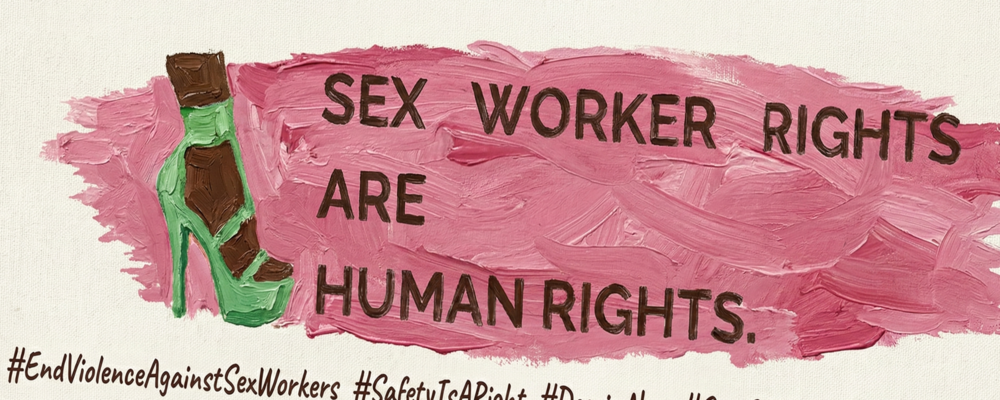
This day is observed every year on 17 December to recognise the violence, discrimination, and stigma faced by sex workers across the world. It calls for justice, safety, and dignity for all people in sex work, regardless of their legal or social status. The day encourages policymakers, public health systems, and communities to understand the realities sex workers face and commit to creating safer environments, reducing harm, and supporting human rights.
The day began in 2003, after the tragic murders of sex workers in the United States, and has since grown into a global movement supported by rights groups, activists, and health organisations.
II. Significance of the Day
The day reminds us that violence against sex workers is a public health and human rights issue.
It highlights the need for:
safe working conditions
access to health services without stigma
protection from police brutality
decriminalisation efforts
social support systems
III. What is Violence Against Sex Workers?
Violence includes any physical, emotional, sexual, or institutional harm faced by people engaged in sex work. This may happen in workplaces, through clients, in public spaces, or within systems like healthcare or law enforcement.
Common forms include:
harassment and assault
police raids and unlawful detention
stigma in healthcare settings
extortion or exploitation
lack of legal protection and unsafe working conditions
Public health programmes recognise that reducing violence improves safety, mental health, HIV prevention outcomes, and access to essential services.
IV. Quick Facts about Violence Against Sex Workers
- Globally, an estimated 45 to 75 percent of sex workers experience sexual violence during their working lives.
- The day was created after the murder of sex workers by serial killers.
- Youth, migrants, homeless individuals, street-based workers, people who use drugs, and those previously arrested face the highest risk.
- Many sex workers are excluded from rape victim compensation schemes or receive reduced support.
- UNAIDS and WHO recognise decriminalisation and rights-based approaches as essential for health outcomes.
- Discrimination in healthcare and social services often leads to additional structural violence.
V. A Brief History of the Day
2003: The movement spreads, supported by the Sex Workers Outreach Project in USA, after Gilgo Beach serial killings.
2015: UN agencies begin integrating rights-based approaches into sexual and reproductive health policies.
2022-24: Themes centred on vaccination scale-up, equity, and survivor voices.
VI. How to Observe this Day?
Join or support community-led events and candlelight vigils.
Share facts that correct myths and challenge stigma.
Promote harm-reduction, safety, and rights-based messaging.
Support organisations working with sex worker communities.
Advocate for safer laws and policies.
Post digital campaigns that highlight dignity, respect, and justice.
References