






I. Overview
International Lead Poisoning Prevention Week (ILPPW) is an annual campaign, coordinated by the World Health Organization (WHO), United Nations Environment Programme (UNEP), and partners under the Global Alliance to Eliminate Lead Paint (GAELP). It is observed each year in October to raise awareness about the health impacts of lead exposure, especially in children, and to accelerate action to eliminate lead in paint, products and environments.
II. Significance of the Week
The week of 20-26 October aims to raise awareness about lead exposure and its effects, especially in children. It also advocates for the elimination of lead in paint and other sources. The campaign highlights that lead poisoning is entirely preventable, yet continues to affect millions worldwide especially in LMICs where lead paint and contaminated environments persist.
 III. Why Lead is Dangerous?
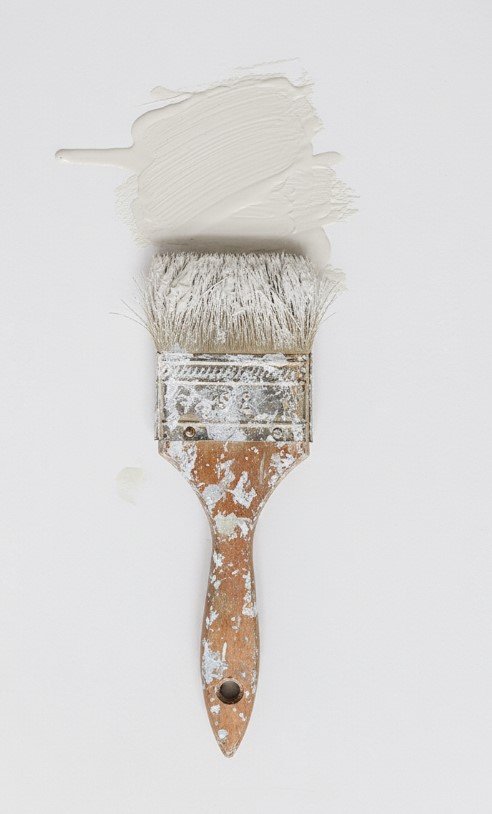 III. Why Lead is Dangerous?
Lead is a potent neurotoxin that affects nearly every organ in the body. Children are the most vulnerable, as even small amounts can cause:
Irreversible brain and nervous system damage
Reduced IQ and learning disabilities
Behavioral problems
Anemia, kidney damage, and cardiovascular effects
There is no known safe level of lead exposure.
IV. Quick Facts about Lead Poisoning
- Children absorb 4-5 times more lead than adults from the same exposure source.
- Lead exposure is responsible for ~30% of global developmental disabilities linked to environmental causes.
- Around 800 million children globally have blood lead levels above 5 µg/dL.
- The half-life of lead in blood is about 30 days, but in bones, it can persist for more than two decaded.
- WHO estimates that lead exposure accounts for 1 million deaths annually.
- Pregnant women exposed to lead may transfer it to the fetus via the placenta, leading to premature birth, low birth weight, and developmental anomalies.
- Chronic exposure increases the risk of neurodegenerative disorders such as Alzheimer’s and Parkinson’s disease.
- Lead exposure is responsible for an estimated 21.7 million DALYs lost annually.
V. A Brief History of ILPP Week
2011: WHO and UNEP launched the Global Alliance to Eliminate Lead Paint (GAELP).
2013: The first ILPWW was observed worldwide.
2018-19: Two years theme focused on “Banning and eliminating the Lead Paints”
2024: The main focus was on children under the theme “Bright futures begin lead free”
2025: The chosen dates are October 19-25 and the theme is “No safe level: act now to end lead exposure.”
VI. How to Observe ILPP Week:
Raise awareness: Share educational resources, data on lead exposure and its lifelong effects.
Screen and protect: Promote testing of homes, paints, water and environments for lead hazards.
Advocate regulation: Support laws to eliminate lead in paint, plumbing, and industrial emissions.
Engage schools and communities: Teach children, parents and educators about preventing lead exposure.
Highlight “no safe level”: Emphasise that any exposure is harmful—advocate for zero-lead environments.
References
- https://www.who.int/campaigns/international-lead-poisoning-prevention-week/2025
- https://www.unep.org/events/campaign/international-lead-poisoning-prevention-week-2024