





I. Overview
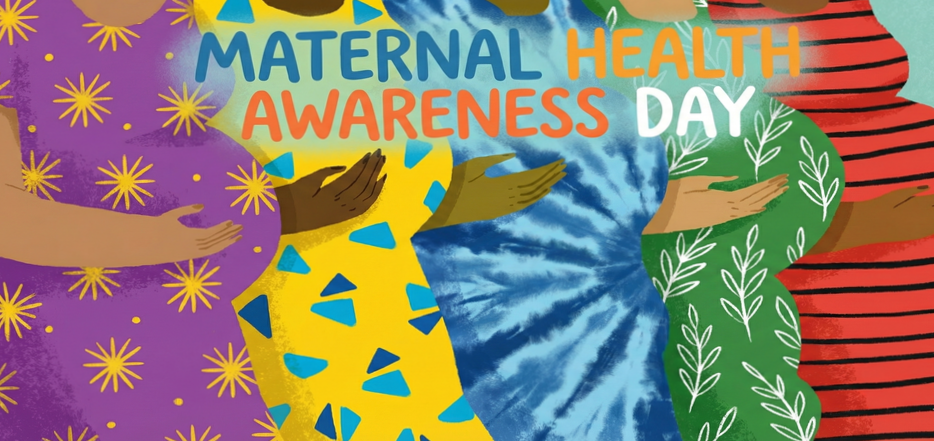
Maternal Health Awareness Day (MAHD) draws attention to the critical need for safe pregnancy, childbirth and postnatal care worldwide. The day highlights the fact that complications during pregnancy and childbirth remain a leading cause of death and injury among women, which is a global public-health challenge.
II. Significance of the Theme
III. Protecting Mothers is a Core Public Health Priority
Maternal health matters because it sits at the centre of survival, equity, and long-term development. A woman’s health before, during, and after pregnancy directly affects whether she lives, whether her baby survives and thrives, and how healthy the next generation will be. When maternal health is neglected, preventable complications continue to claim lives, especially in low-resource settings. Beyond mortality, poor maternal health weakens families, deepens gender inequality, strains health systems, and slows economic and social progress. Focusing on maternal health is not just about pregnancy care; it is about safeguarding women’s rights, strengthening communities, and building resilient health systems.
IV. Quick Facts about Maternal Health 💡
- Every two minutes, a woman dies due to pregnancy or childbirth related complications
- Nearly 300,000 women die each year from preventable causes related to pregnancy and childbirth.
- About 95% of maternal deaths occur in LMICs.
- Over 80% of deaths during and after pregnancy are preventable as per CDC.
- Maternal complications are a leading cause of death and disability among women of reproductive age.
- Investing in maternal health delivers high social and economic returns, benefiting families and health systems.
- Strengthening maternal health services is essential for achieving universal health coverage and the SDGs
V. A Brief History of MHAD
2022: Inaugurated by American College of Obstetricians & Gynecologists (ACOG)
2023: Theme “Know Why,” highlighting the complex factors behind maternal deaths and the need to understand and address them.
2025: “Know What’s at Stake,” focusing on the maternal mortality crisis and the urgency to act.
2026: Marks 5 years of advocacy, reflection, and renewed commitment to safeguarding maternal health gains and advancing equity.
VI. How to Observe Maternal Health Awareness Day?
Promote awareness about maternal-health risks, rights, and safe childbirth practices in communities.
Support or volunteer with maternal-health organizations or local health clinics.
Encourage education and outreach on antenatal care, nutrition, family planning, and reproductive rights.
Use social media to share credible resources and statistics; spread awareness.
Advocate for access to maternal health care, safe delivery services and postnatal support, especially in underserved areas.
Celebrate and honor mothers, midwives, birth-care providers and community workers contributing to maternal health.
🔗 References
WHO – Maternal health overview and maternal mortality fact sheet