





I. Overview
World Antimicrobial Awareness Week (WAAW) is observed annually from November 18-24 to raise awareness about antimicrobial resistance (AMR) and promote responsible use of antimicrobials across humans, animals and the environment.
The campaign highlights that when bacteria, viruses, fungi or parasites no longer respond to treatments designed to kill them, infections become harder to treat, spread more easily and cost lives, livelihoods and health systems.
II. Significance of the Theme
We must adopt cross-sectoral, “One Health” strategies now to preserve antimicrobials, safeguard treatment options for people, animals and ecosystems, and secure a future where we can still rely on effective therapies.
 III. What Is Antimicrobial Resistance?
 III. What Is Antimicrobial Resistance?
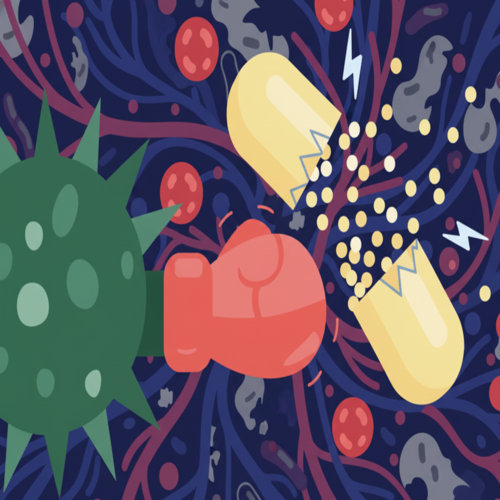
AMR occurs when microorganisms (bacteria, viruses, fungi, parasites) evolve to survive exposure to antimicrobial drugs (antibiotics, antivirals, antifungals). Over time, infections become harder to treat, leading to increased disease burden, complications, and mortality.
AMR is fueled by misuse and overuse of antimicrobials, inadequate infection control, poor sanitation, and gaps in diagnostics. Because of its multi-sector nature, the response must be holistic and collaborative under the One Health framework.
IV. Quick Facts about WAAW
By 2050, AMR could cause 10 million deaths per year, surpassing cancer as the leading global killer.
The global economic cost of AMR is projected to reach USD 100 trillion by 2050, due to higher healthcare expenses, productivity loss, and prolonged illness.
AMR could reduce global GDP by 3.8% and push up to 24 million people into extreme poverty by 2050.
Antibiotic consumption increased by 65% worldwide between 2000 and 2019, mainly due to unregulated use in humans and livestock.
By 2030, AMR could force 24 million people into extreme poverty if not contained.
Only 1 in 5 countries have fully funded and implemented national action plans to combat AMR.
The WHO Bacterial Priority Pathogens List (2024) includes 24 pathogens across 15 bacterial families, identified as critical threats to human health.
Methicillin-resistant Staphylococcus aureus (MRSA) is estimated to cause 150,000 deaths annually in Europe alone.
Antibiotic residues have been found in rivers across 65 countries, often exceeding safe limits by 300–700 times.
Candida auris, a multidrug-resistant “next-generation superbug,” has spread to over 40 countries, with a mortality rate of 30–60%.
V. A Brief History of WAAW
2015: The 68th World Health Assembly (WHA) adopts the global action plan on AMR.
2018-19: Campaign themes such as “Change can’t wait – Our time with antibiotics is running out” (2018) and “The future of antibiotics depends on all of us” draw attention to stewardship.
2024: “Educate. Advocate. Act now.” focuses on raising awareness, influencing policy, and driving global action.
2025: Present theme “Act Now: Protect Our Present, Secure Our Future.” focuses on urgent action to combat AMR and safeguard health.
VI. How to Observe WAAW?
Organise awareness sessions in healthcare facilities, veterinary clinics or agricultural communities about appropriate antimicrobial use and infection prevention.
Use social media and share posts under #WAAW, #AMR, #GoBlueForAMR and related hashtags; engage with infographics, short videos and pledges.
Incorporate WAAW into local health and disaster-management plans by mapping antibiotic stewardship, infection-control protocols, One Health linkages and community education.
Highlight actions in animal health, agriculture and environment responsible use of antibiotics in livestock, better waste management in farms, safe disposal of antimicrobials.
Support or initiate campaigns that light up public structures in blue, distribute “preserve antimicrobials” messages, or engage youth and schools with challenges or art projects around AMR.
References
WHO – World AMR Awareness Week
FAO – World Antimicrobial Awareness Week
WOAH – World AMR Awareness Week 2025
UICC – Antimicrobial Resistance / AMR – World AMR Awareness Week