





I. Overview
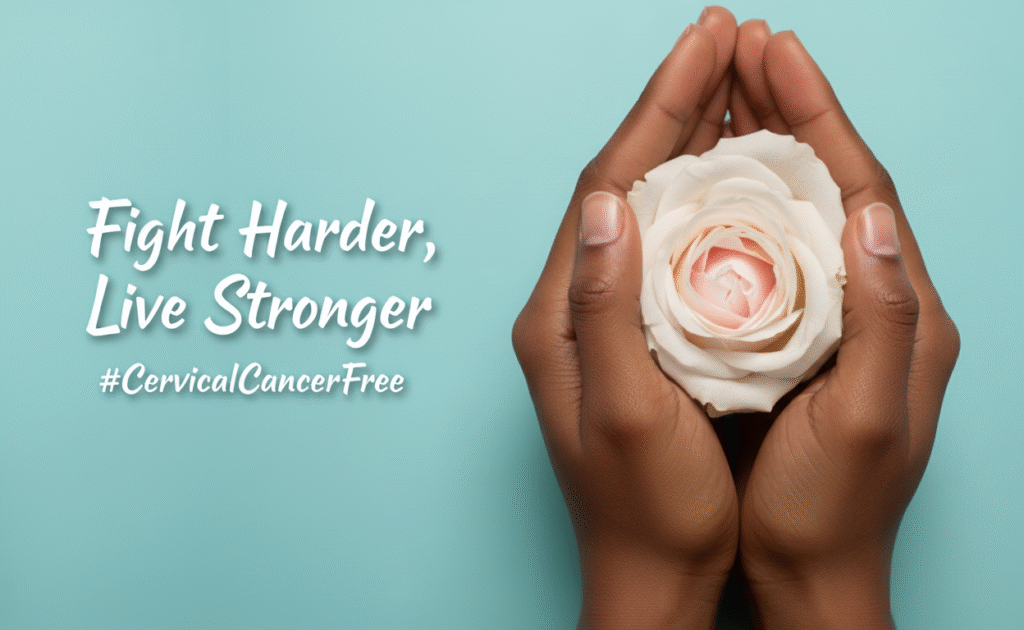
World Cervical Cancer Elimination Day (WCCED) is observed on 17 November to reinforce the global commitment to ending cervical cancer as a public health problem. For the first time, the world will officially observe a global health day dedicated to eliminating cancer on this date, marking a significant milestone in global health. This day builds on WHO’s cervical cancer elimination initiative launched in 2020 and strengthened by the World Health Assembly’s resolution calling for accelerated action. The day promotes HPV vaccination, regular screening, and timely treatment – three essential pillars that can prevent the disease or detect it early when it is highly curable.
II. Significance of the Theme
The present theme “Act Now: Eliminate Cervical Cancer” highlights the importance of urgent, collective action at individual, community, and national levels to eradicate cervical cancer through prevention, screening, and treatment.
III. What is Cervical Cancer?
WHO defines cervical cancer elimination as reducing incidence to fewer than 4 cases per 100,000 women. The strategy rests on three pillars:
Vaccinate 90% of girls with HPV vaccine by age 15
Screen 70% of women at least twice in their lifetime
Treat 90% of precancerous lesions and cancers
If countries meet these targets, cervical cancer could become the first cancer ever eliminated globally.
IV. Quick Facts about Cervical Cancer
A woman dies from cervical cancer every two minutes worldwide.
It is the 4th most common cancer affecting women globally.
More than 95% of cervical cancer cases are caused by human papillomavirus (HPV).
HPV is the most common sexually transmitted infection(STI), with over 200 types, most of which cause no symptoms.
Over 145 countries have included HPV vaccination in their routine immunization programmes.
HPV vaccines can prevent up to 90% of cervical cancer cases.
Despite this, only 1 in 5 girls worldwide were fully vaccinated against HPV by 2023.
Cervical cancer is most often diagnosed among women aged 35-64 years.
Stage 1 survival rate is around 95%, so when detected early, outcomes are excellent.
V. A Brief History of Cervical Cancer Elimination Day
2020: WHO launches the Global Strategy to Accelerate Cervical Cancer Elimination.
2021: First official global observance on 17 November.
2022-24: Themes centred on vaccination scale-up, equity, and survivor voices.
2025: On 17 November, the world will mark this day for the first time, following its designation by the 78th World Health Assembly (WHA78.8) as the first official global health day focused on eliminating a cancer.
VI. How to Observe Cervical Cancer Elimination Day
Run HPV vaccination drives in schools and communities
Offer free or low-cost VIA/HPV screening camps
Share survivor stories and eliminate stigma around gynaecologic cancers
Train healthcare workers in screening and early treatment
Use social media to advocate for universal access to HPV vaccines and screening
Promote policy action and budget allocation for elimination programs
References