





I. Overview
World Chronic Obstructive Pulmonary Disease (COPD) Day is observed every year on the third Wednesday of November to raise awareness about COPD and improve care for people living with chronic respiratory diseases. Coordinated by the Global Initiative for Chronic Obstructive Lung Disease (GOLD) in collaboration with the WHO, the day encourages early diagnosis, prevention, and better management of COPD through awareness and access to treatment.
II. Significance of the Theme 2025:
This year’s theme, “Short of Breath, Think COPD” focuses on that breathlessness should never be ignored. Even mild or recurring shortness of breath can be an early warning sign of COPD. The theme calls attention to the widespread problems of under-diagnosis and misdiagnosis, reminding both individuals and healthcare providers to consider COPD earlier. Recognizing symptoms sooner allows timely treatment and can significantly improve long-term outcomes.
III. What is COPD?
COPD is a long-term lung condition caused by damage to the airways and lung tissue. This damage leads to persistent inflammation, mucus buildup, and narrowing of the airways, making it difficult to breathe. People with COPD often experience chronic cough, excess mucus, breathlessness, wheezing, and chest tightness. The disease progresses slowly, but symptoms worsen over time and can limit daily activities. In advanced stages, even simple tasks like walking or cooking may become difficult.
COPD mainly includes 2 conditions:
Emphysema: Damage to the walls of the lung’s air sacs reduces their elasticity, making it hard to expel air from the lungs.
Chronic bronchitis: Ongoing irritation and airway inflammation lead to thick mucus production and airway obstruction.
IV. Quick Facts about COPD:
- Global prevalence of COPD is 10.3%. Prevalence higher in individuals above 60 years.
- COPD causes approximately 3 million deaths globally each year.
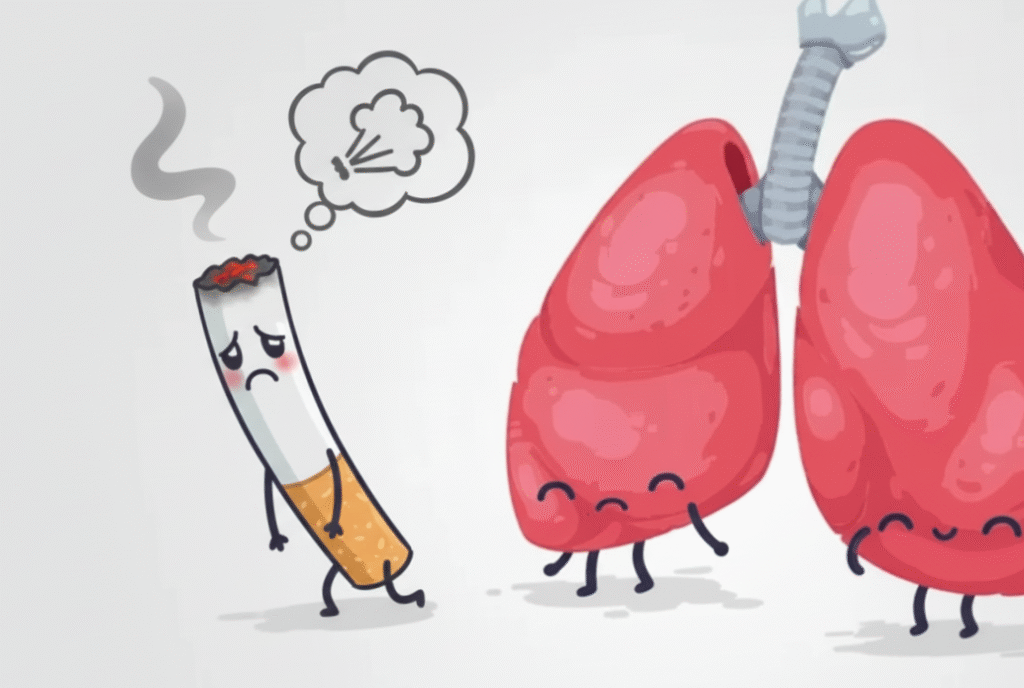
- Tobacco smoking causes up to 85% of COPD cases.
- Household air pollution (biomass fuel use) is a major cause of COPD in low- and middle-income countries (LMICs).
- COPD burden is rising, driven by population ageing and ongoing exposure to major risk factors.
- Estimates suggest that COPD cases in adults >25 years will increase by 23% between 2020 and 2050, reaching nearly 600 million people.
- COPD develops through lifetime gene-environment interactions (GETomics). Damage to the lungs results from complex, cumulative interactions between genetic susceptibility, environmental exposures, and ageing/lung development factors.
- Under-recognition and under-diagnosis reduce the accuracy of mortality estimates and delay early management.
- Traditionally, COPD studies include individuals with ≥10 pack-years of smoking. However, evidence shows that even <10 pack-years increases the 5-year risk of COPD, with higher likelihood of severe exacerbations and early mortality.
V. A Brief History of World COPD Day:
2002: The first World COPD Day was organized by GOLD with WHO support.
2019: WHO launched the “Global Alliance against Chronic Respiratory Diseases (GARD)” to integrate COPD prevention in NCD control.
2020-24: Annual themes focused on lung health equity, clean air, and recovery after COVID-19.
2025: Theme: “Short of Breath, Think COPD.” focusing on early recognition and reducing under‑diagnosis.
VI. How to Observe World COPD Day:
Participate in or host free lung-function testing (spirometry) campaigns.
Raise awareness through public events, webinars, and social media campaigns on risk factors and prevention.
Encourage smoking cessation programs and clean-air initiatives.
Share stories of patients living with COPD to reduce stigma and promote early testing.
Advocate for air-quality regulation and occupational safety policies to protect respiratory health.
Use the official hashtag #WorldCOPDDay to spread awareness globally.
References
GOLD – Global Initiative for Chronic Obstructive Lung Disease
WHO – Chronic Obstructive Pulmonary Disease Fact Sheet
WHO – Global Alliance against Chronic Respiratory Diseases (GARD)