





I. Overview
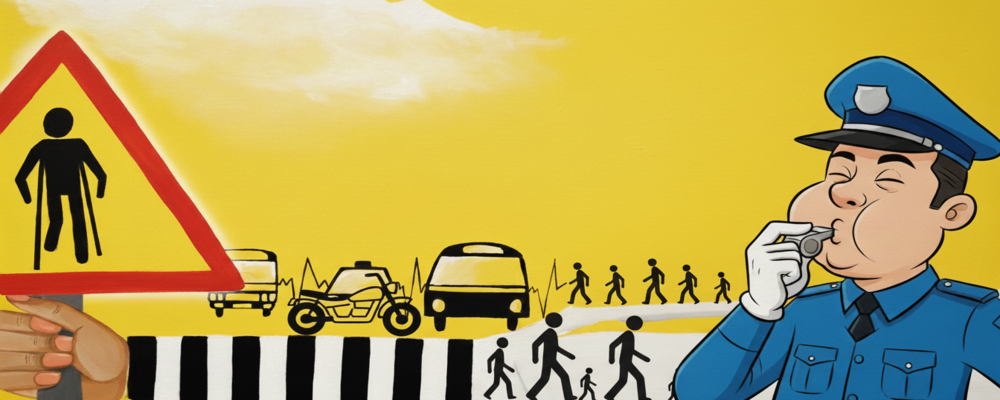
The World Day of Remembrance for Road Traffic Victims (WDoR) is an annual observance dedicated to remembering those who have been killed or seriously injured in road traffic crashes, as well as the families and communities left behind. The day was established by RoadPeace in 1993 and, in 2005, the United Nations General Assembly, European Federation of Road Traffic Victims (FEVR), Global Alliance of NGOs for Road Safety, and International Road Victims’ Partnership (IRVP), formally invited all Member States to observe it generally on the 3rd Sunday in November each year.
II. Significance of the Theme
The current 2025 theme “Remember. Support. Act.” highlights 3 simultaneous actions:
- remembering lives lost,
- supporting survivors and families,
- acting to prevent road injuries and fatalities.
The day highlights that road crash victims’ lives matter, that survivors need recognition and assistance, and that concrete policy and behaviour change can save lives.
Every life lost on the road is not just a statistic but a preventable event. The theme also aligns with the UN Decade of Action for Road Safety 2021-30, which aims to reduce global road deaths and injuries by 50%.
III. What is the Day about?
This day draws global attention to the devastating toll of road traffic injuries, which claim around 1.35 million lives each year and injure tens of millions more.
It serves as a call to action for safer roads through proven interventions such as:
Better road design and infrastructure
Strong vehicle safety standards
Speed management and enforcement
Helmet and seatbelt use
Accessible post-crash emergency care
The day also honors the tireless work of emergency services and advocates for the human right to safe mobility.
IV. Quick Facts about WDoR for Road Traffic Victims
- RTA kills about 1.35 million people annually worldwide.
- WDoR is now commemorated globally to advocate for safer roads and support the UN Decade of Action for Road Safety, aiming to halve road traffic deaths and injuries by 2030.
- They are the leading cause of death for people aged 5-29 years globally.
- Pedestrians, cyclists and motorcyclists (vulnerable road users) account for more than half of all road deaths.
- 90% of road deaths occur in LMICs.
- The day is observed in 100+ countries, with community memorials, candle-light vigils and advocacy events.
- The economic cost of road crashes equals 3% of most countries GDP.
V. A Brief History of this Day
1993: RoadPeace holds first memorial observances for road traffic victims in the UK.
1995-2000s: The observance spreads internationally under FEVR and other partners.
2005: UN General Assembly recognises the third Sunday in November as the official day of remembrance for road traffic victims.
2011: Marked as part of the first Decade of Action for Road Safety 2021-30.
2019: The theme “Life is not a car part” points towards the value and irreplaceability of human life compared to mechanical objects.
2024: “That Day” theme described as the day a traffic collision changed or stopped a life forever.
2025: This year theme “Remember. Support. Act.” on focuses on three key pillars.
VI. How to Observe this Day?
Participate in or organise a memorial event – candle-light vigil, minute of silence or reading of names.
Share stories of victims, survivors and families to humanise statistics and raise awareness.
Advocate for safe roads in your community: better infrastructure, lower speeds, protection for vulnerable users.
Support or volunteer with road-safety NGOs and help build post-crash support networks.
Use social media to raise the message: remembering victims, supporting survivors, acting for safer mobility.
References
World Day of Remembrance for Road Traffic Victims