





I. Overview
World Epilepsy Day (WED), also known as “Purple day” is observed every year on 26 March to raise global awareness about epilepsy, a neurological condition affecting more than 50 million people worldwide. The day brings together individuals, families, caregivers, health professionals, and advocacy groups to educate communities, dispel myths, highlight lived experiences, and promote better support, treatment, inclusion, and human rights for people with epilepsy.
II. Significance of the Theme
The 2026 theme “Epilepsy Pledge: From Awareness to Action” focuses on turning awareness into tangible, year-long commitments that strengthen understanding, safety, inclusion, and care for people with epilepsy. It invites individuals, schools, workplaces, and organizations to pledge specific actions that build empathy, reduce stigma, and improve community support — moving beyond awareness toward measurable change.
III. What is Epilepsy?
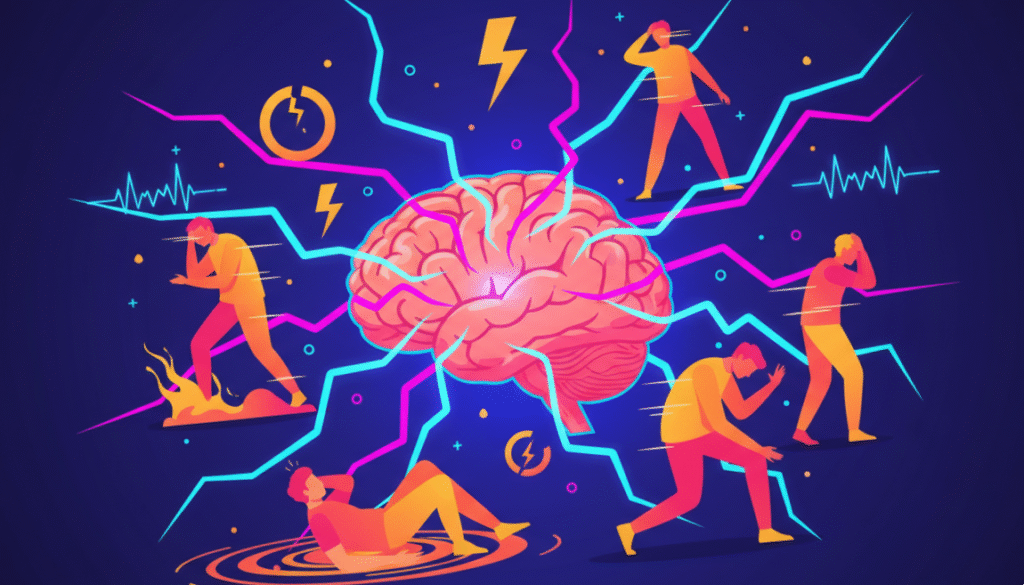
Epilepsy is a non-communicable neurological disorder characterized by recurrent, unprovoked seizures due to abnormal electrical activity in the brain. It can affect people of all ages, backgrounds, and regions. With appropriate treatment, up to 70% of people with epilepsy can live seizure-free. For thousands of years, epilepsy was misunderstood, un ancient cultures, seizures were linked to supernatural forces, possession, or curses. Medical understanding improved in the 20th century, but social stigma lagged far behind science.
IV. Quick Facts about Epilepsy
- Epilepsy is a neurological condition, not a mental illness or psychiatric disorder.
- Over 50 million people worldwide live with epilepsy.
- Nearly 80% of people with epilepsy live in LMICs
- Seizures are not contagious. You cannot catch epilepsy from another person.
- First aid during a seizure saves lives.
- Epilepsy is linked with higher risks of injury, mental health conditions, and social stigma.
- Women with epilepsy can have healthy pregnancies with proper medical supervision.
- Sudden Unexpected Death in Epilepsy (SUDEP) is rare but real, especially in poorly controlled epilepsy.
V. A Brief History of Epilepsy
2008: Started by a child Cassidy Megan living with epilepsy in Canada
2009: epilepsy organizations across countries began supporting the day.
2015: Launched on February 9, 2015 by the International Bureau for Epilepsy (IBE) and the International League Against Epilepsy (ILAE) to create a global awareness initiative for epilepsy.
2016–Present: The day has since been observed annually on the second Monday of February in over 120 countries to highlight challenges faced by people with epilepsy and promote education and support.
2025: Activities emphasized lived experiences under the theme “My Epilepsy Journey”, highlighting personal stories and unmet needs.
2026: The “Epilepsy Pledge: From Awareness to Action” theme emphasizes concrete, year-long commitments that improve understanding, safety, inclusion, and community support for people with epilepsy.
VI. How to Observe Epilepsy ?
- Raise awareness: Share factual information about epilepsy, seizures, and care on social media and in your community.
- Make a pledge: Participate in the Epilepsy Pledge by committing to a meaningful action that supports epilepsy safety, understanding, or inclusion in 2026.
- Wear purple: Purple is a recognized color for epilepsy awareness — wear it to show solidarity.
- Organize or attend events: Join webinars, talks, support groups, and educational sessions in schools, workplaces, or community spaces.
- Support research and care: Donate to or volunteer with epilepsy organizations to improve services, access to treatment, and policy development.
References
https://internationalepilepsyday.org/
https://www.who.int/news-room/events/detail/2023/02/13/default-calendar/international-epilepsy-day
https://www.epilepsy.com/volunteer/spreading-awareness/international-epilepsy-day