






I. Overview
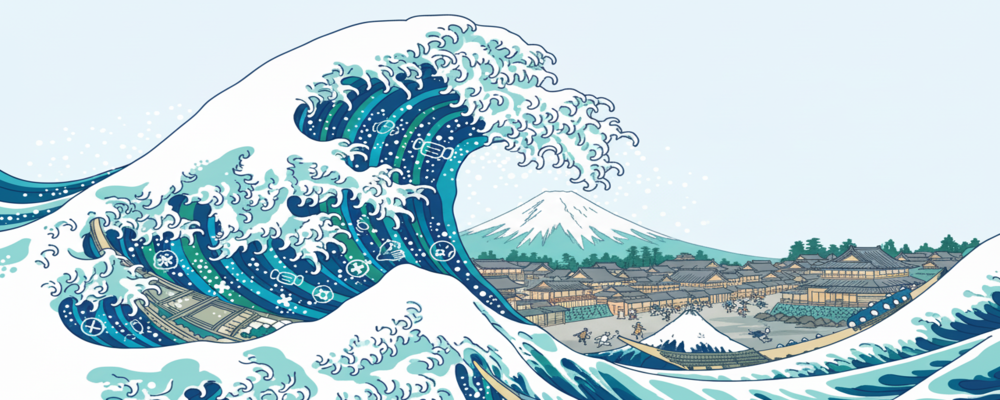
World Tsunami Awareness Day is observed annually on November 5, following its establishment by the UN General Assembly in December 2015 through Resolution 70/203. The day aims to raise global awareness of the tsunami hazard, promote risk-reduction measures, and build resilient coastal communities. It was designated at the request of Japan, acknowledging that tsunamis are rare but potentially catastrophic events that threaten coastal communities globally.
 II. Significance of the Theme
 II. Significance of the Theme
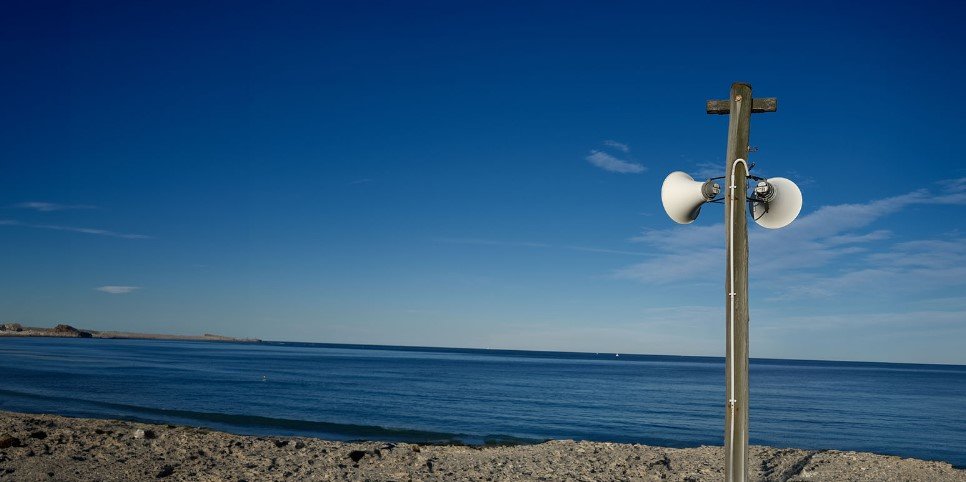
The current theme is “Be Tsunami Ready: Invest in Tsunami Preparedness.” It highlights the importance of investing in early warning systems, evacuation planning, resilient infrastructure and public education especially as over 700 million people live in low-lying coastal areas vulnerable to tsunami waves.
III. What is a Tsunami?
A tsunami is a series of large-amplitude sea waves generated by undersea disturbances like earthquakes, volcanic eruptions or landslides. Although rare in occurrence, when they occur they can travel across oceans, inundate coastal zones and cause catastrophic loss of life and property.
IV. Quick Facts about Tsunami
- The first recorded tsunami occurred in 479 BC in Potidaea, Greece, following an earthquake.
- At least 58 tsunamis occurred in the past 100 years, resulting in more than 260,000 deaths.
- The catastrophic 2004 Indian Ocean Tsunami claimed approximately 230,000 lives, affecting 14 countries.
- Around 80% of tsunamis occur in the Pacific Ocean’s “Ring of Fire” due to frequent undersea earthquakes.
- Tsunamis can travel at up to 800 km/h across the open ocean and strike within minutes of the triggering event in nearby coastlines.
- It is the deadliest natural disaster on average per event.
- Coastal zones house nearly 39% of the global population, many of whom are at risk of tsunami-related hazards.
- Mangrove forests and coral reefs act as natural barriers, reducing the impact of tsunami waves by dissipating energy.
- A Japanese folk tale “Inamura-no-hi” (the burning of rice sheaves) inspired the selection of this date because the fire signalled an imminent tsunami and saved lives.
- The day aligns closely with the Sendai Framework for Disaster Risk Reduction (2015-30).
V. A Brief History of Tsunami Awareness Day
2015: First time proposed by Japan, a country with long experience in tsunami preparedness and disaster risk reduction.
2016: The theme calls for local preparedness through education and community drills.
2020: Amid pandemic, the theme was “Sendai Target (E): Substantially Increase National and Local Disaster Risk Reduction Strategies by 2020”
2024: “Building a Culture of Prevention through Knowledge Sharing” which focused on community education, capacity-building, and traditional wisdom.
2025: The theme calls for “Be Tsunami Ready: Invest in Tsunami Preparedness” all across the vulnerable regions
VI. How to Observe WTAD?
Participate in tsunami drills or evacuation route walks.
Share educational materials and awareness campaigns using hashtags: #GetToHighGround, #TsunamiReady, #WorldTsunamiAwarenessDay
- Encourage local governments, schools and coastal communities to invest in early warning systems, public education and infrastructure resilience.
References:
- https://www.un.org/en/observances/tsunami-awareness-day
- https://www.undrr.org/news/world-tsunami-awareness-day-commemorated-geneva-call-preparedness-inclusion-and-cooperation
- https://www.unesco.org/en/days/tsunami-awareness
- https://tsunamiday.undrr.org/